Statewide Study Finds Significant Food Insecurity in Blue Ridge Region
A recent statewide study revealed that 37% of households in the Blue Ridge region experienced food insecurity between May 2025 and May 2026, a trend the Blue Ridge Area Food Bank says aligns with rising demand for its services.
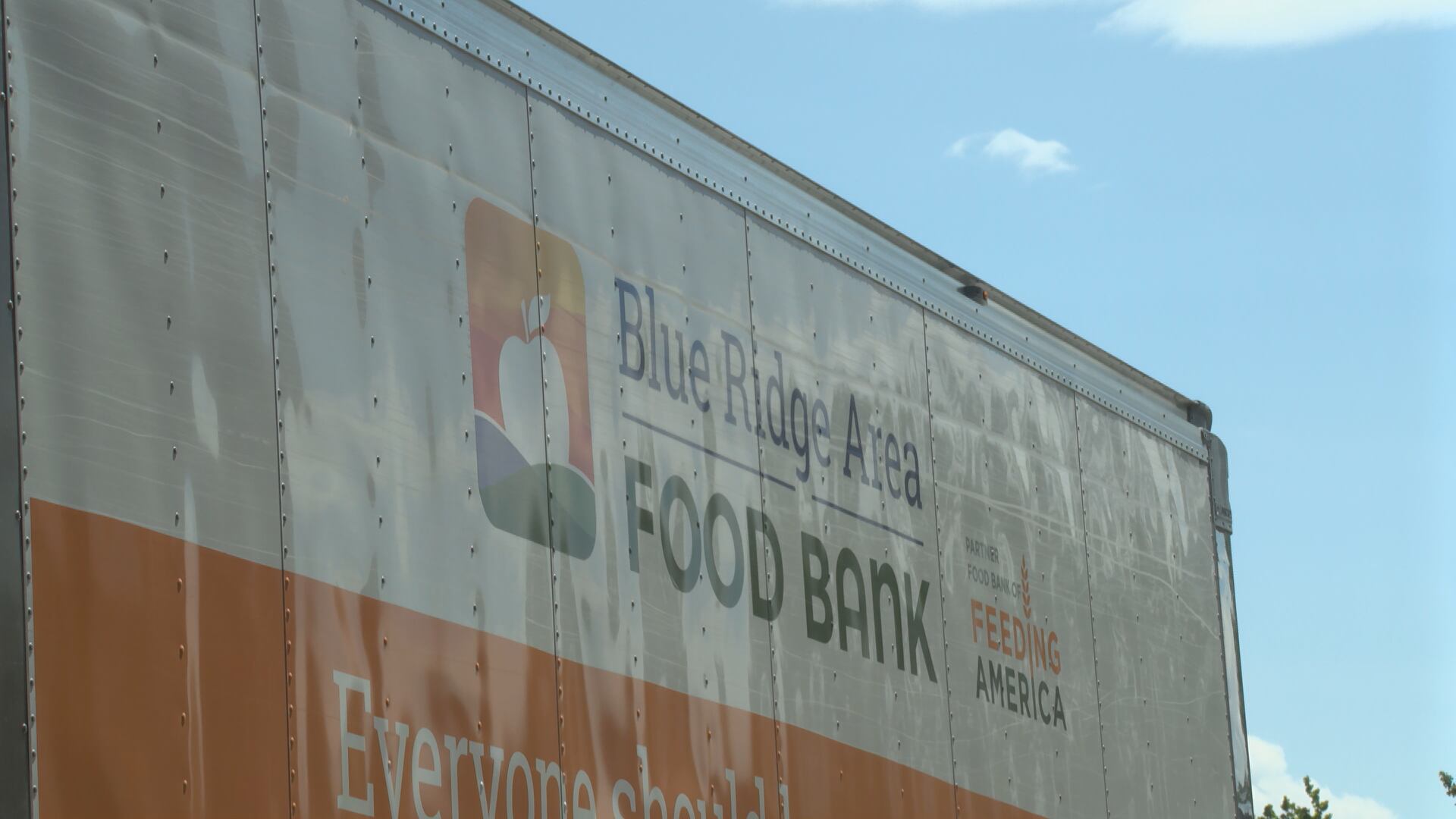
 Harrisonburg, VA, September 21, 2026 — A recent statewide study indicates that a substantial portion of households in the Blue Ridge region faced food insecurity during the period spanning May 2025 to May 2026. The study found that 37% of households within this area experienced a lack of consistent access to enough food for an active, healthy life.
The findings come from a statewide research initiative, though the specific name of the study was not provided. This period, from May 2025 to May 2026, saw a notable increase in challenges related to food accessibility for residents in the Blue Ridge area.
In response to these findings, the Blue Ridge Area Food Bank has commented that the reported trend of food insecurity aligns with an observed rise in demand for their services. The organization has indicated that more individuals and families are seeking assistance. Specific figures detailing the extent of this rise in demand were not immediately available.
Food insecurity can affect individuals and families in various ways, impacting health, well-being, and economic stability. The Blue Ridge region, like many others, may face a complex interplay of factors contributing to such trends, including economic conditions and the cost of living. Further details on the causes identified by the statewide study were not specified.
The Blue Ridge Area Food Bank continues to operate as a key resource for the community, working to address food needs. Information regarding specific programs or initiatives undertaken by the food bank in light of this rising demand was not detailed. The extent to which the 37% figure represents an increase or decrease from previous periods was also not provided by the study or the food bank’s statement.
The statewide study’s methodology and detailed demographic breakdowns for the Blue Ridge region were not made public in the provided summary. Organizations working to combat food insecurity often rely on such data to inform their strategies and allocate resources effectively.
The Blue Ridge Area Food Bank’s observation directly links the statistical findings to the practical reality of their operations, suggesting a growing need within the community that they are striving to meet.
Story summarized from the original created by Olivia Williams on www.whsv.com, see more information here.
Media gallery